Laser Tattoo Removal in Plymouth

Now offering both Q-Switched and Picosecond laser technology, giving you the freedom to choose between proven value and premium performance. Whether you're looking for complete tattoo removal, fading for a cover-up, or PMU removal, we'll recommend the treatment that's right for your tattoo, skin type, goals and budget.
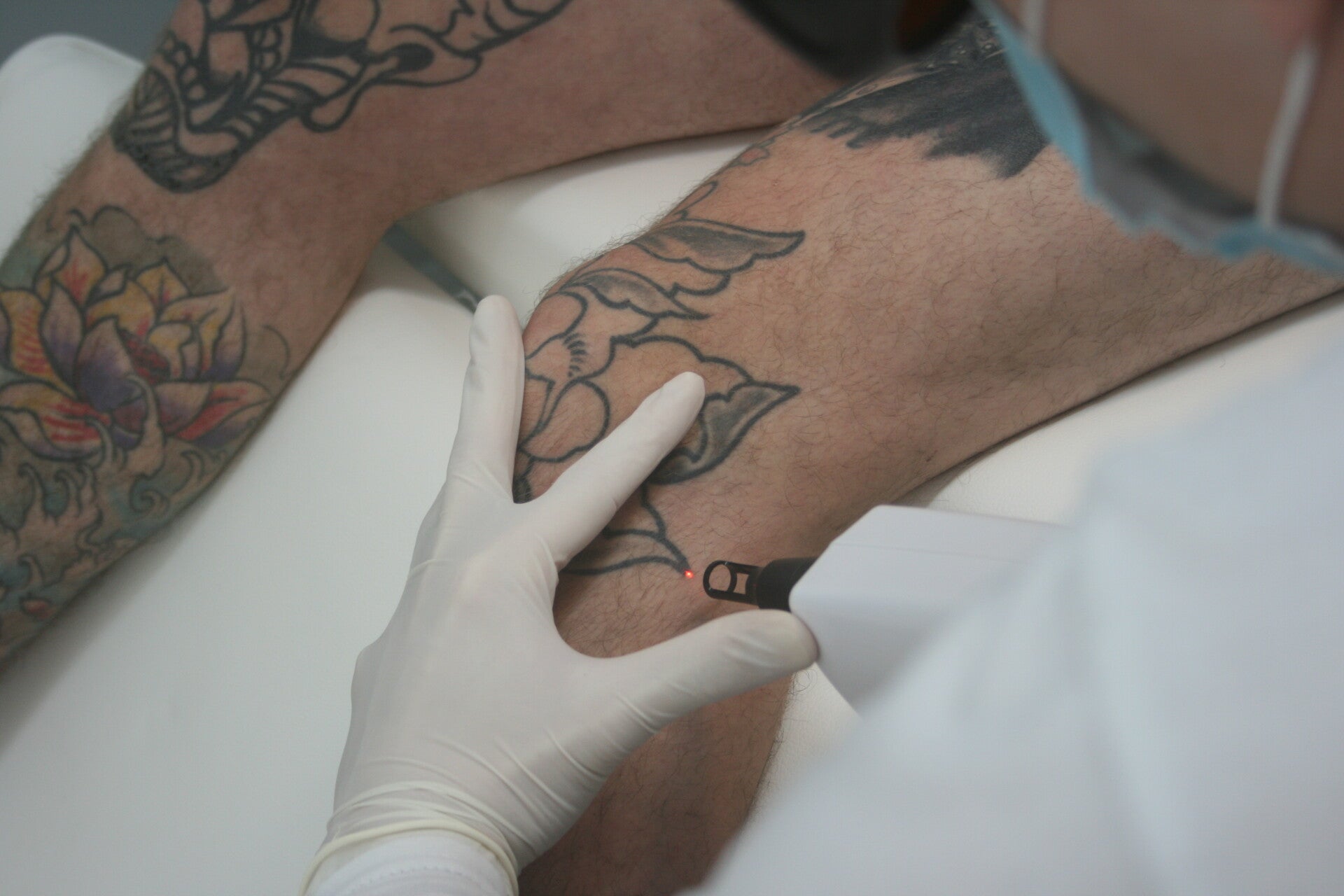
Two Technologies. One Personalised Treatment Plan.

Unlike many tattoo removal clinics, we offer both Q-Switched Nd:YAG and Picosecond laser technology. Rather than recommending the same treatment for every client, we assess your tattoo, skin type and goals before advising which option is best for you.

Q-Switched treatments offer a clinically proven, cost-effective solution with excellent results, while Picosecond technology provides our most advanced treatment option, designed to fragment tattoo ink into finer particles and potentially achieve faster clearance in suitable tattoos.

Whichever option you choose, every treatment is carried out by a Level 5 qualified practitioner, using medical-grade equipment and tailored settings to maximise results while protecting the surrounding skin.
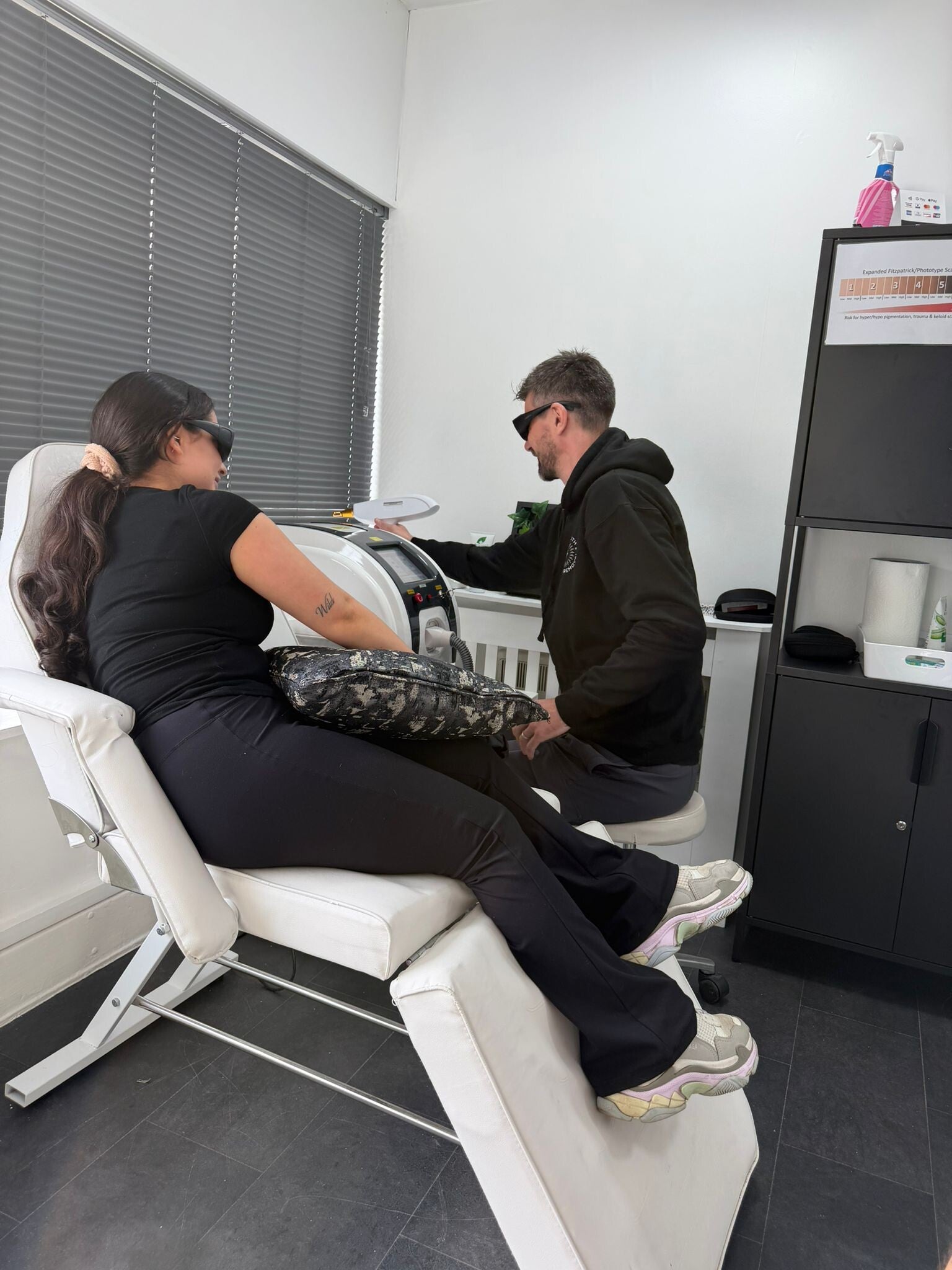
Who is Laser Tattoo Removal suitable for?

Whether you have a tattoo you've outgrown, need to meet workplace requirements, or simply want a fresh start, laser tattoo removal offers a safe and effective solution.

Many of our clients choose treatment to completely remove unwanted tattoos, while others are preparing for a cover-up by fading existing ink. We also treat permanent makeup (PMU), including eyebrow tattoos and microblading.

With both Q-Switched and Picosecond technology available, we can recommend the treatment option that best suits your tattoo, your expectations and your budget.
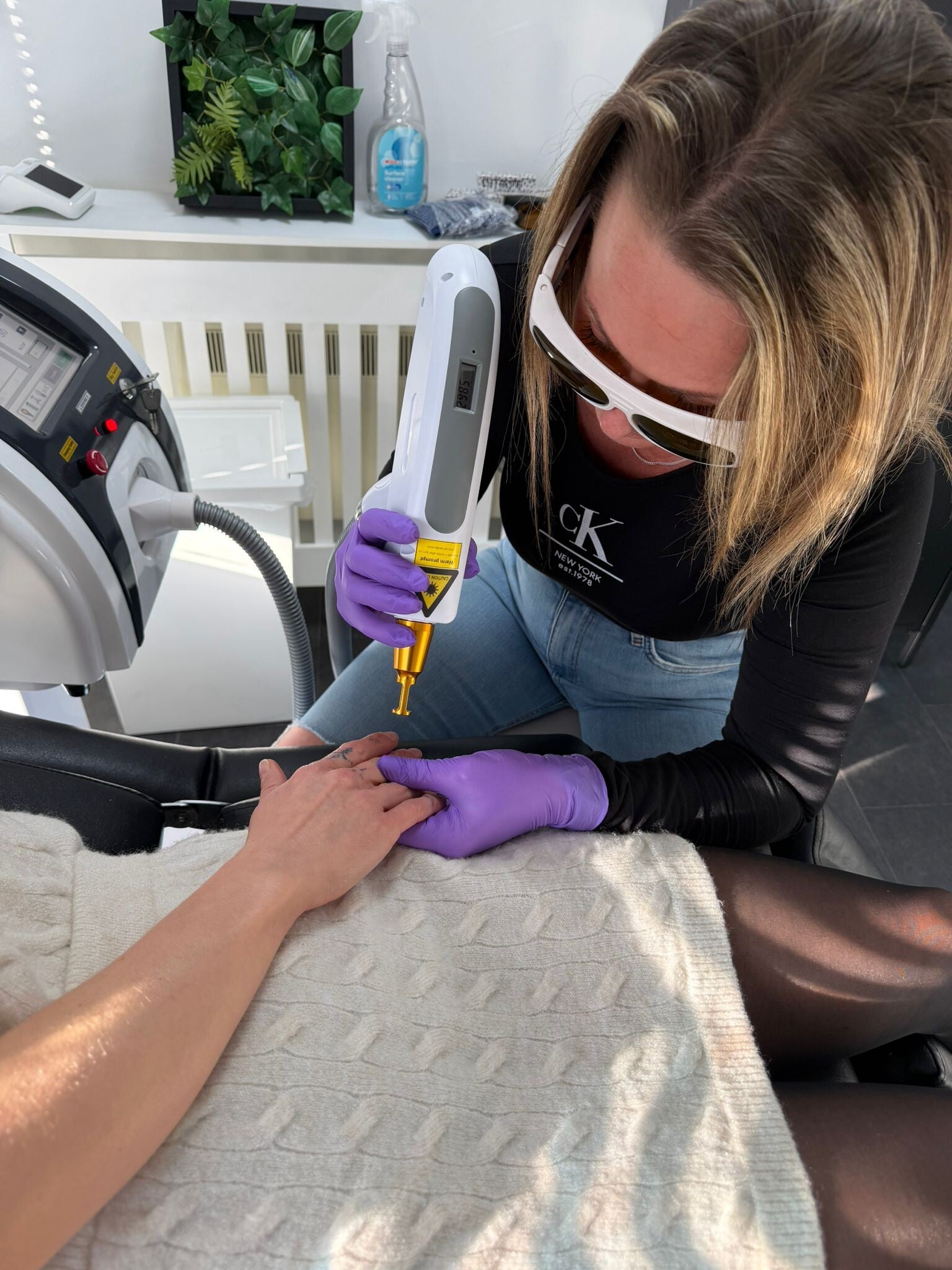
Why Choose Plymouth Tattoo Removal?


  • ✔ Level 5 Qualified Practitioner
  • ✔ Q-Switched & Picosecond Technology
  • ✔ Treatments tailored to your tattoo
  • ✔ Honest advice with no pressure
  • ✔ Cover-up fading specialists
  • ✔ Advanced skin cooling
  • ✔ Free consultations
  • ✔ Hundreds of successful treatments


Common Tattoo Removal questions

Choosing to remove a tattoo is a big decision, and it's natural to have questions about the process. Whether you're wondering about pain, healing, treatment times, or the difference between Q-Switched and Picosecond technology, we're here to give you honest, straightforward advice.

Below you'll find answers to the questions we're asked most often, helping you understand what to expect before starting your tattoo removal journey.

What's the difference between Q-Switched and Picosecond tattoo removal?

Both technologies are highly effective at removing unwanted tattoos, but they work in slightly different ways.

Q-Switched lasers have been the gold standard for tattoo removal for many years and continue to deliver excellent results at an affordable price. Picosecond lasers use much shorter pulse durations, creating a stronger photoacoustic effect that can break tattoo ink into finer particles. This may allow some tattoos to respond more quickly and can be particularly beneficial for stubborn ink colours.

At Plymouth Tattoo Removal, we offer both technologies, allowing us to recommend the most suitable option based on your tattoo, skin type and treatment goals.

Is Picosecond worth the extra cost?

For many clients, yes.

Picosecond technology may achieve faster clearance in suitable tattoos and can be particularly effective for certain stubborn inks. However, Q-Switched laser treatment remains an excellent option and continues to produce outstanding results for many tattoos.

If achieving the quickest possible results is your priority, Picosecond may be the better investment. If you're looking for excellent results while keeping costs lower, Q-Switched remains a proven and effective choice.

Which laser is best for my tattoo?


There isn't a single "best" laser for every tattoo.

The ideal choice depends on factors including the tattoo's age, ink colours, depth, location, your skin type, and whether you're looking for complete removal or fading for a cover-up.

During your consultation, we'll assess your tattoo and explain the advantages of both Q-Switched and Picosecond treatment so you can make an informed decision.

How does Tattoo Removal work?

Laser tattoo removal works by using high-intensity light beams to break down the ink particles in a tattoo. The laser emits short pulses of light that penetrate the skin and target the ink, shattering it into smaller fragments. These fragments are then gradually absorbed and eliminated by the body's immune system. Multiple sessions are usually needed to completely remove the tattoo, with different wavelengths of light used to treat different ink colours.

How many sessions are required for full removal?

The number of treatments needed varies from person to person, and it's impossible to guarantee an exact number before treatment begins.

As a general guide, most professionally applied tattoos require between 6 and 12 sessions, although some tattoos may need fewer, while others—particularly larger, heavily inked or multi-coloured tattoos—can require additional treatments.

Several factors influence how quickly a tattoo responds, including:

  • Laser Technology – Picosecond technology may achieve faster clearance in suitable tattoos, while Q-Switched treatment remains a highly effective and more cost-conscious option.
  • Ink Colour – Black ink generally responds the quickest, while colours such as green, blue, turquoise and yellow can be more challenging.
  • Tattoo Size – Larger tattoos naturally require more treatment than smaller designs.
  • Ink Density & Layering – Tattoos containing heavy ink saturation or multiple cover-ups usually take longer to remove.
  • Skin Type – Your skin type influences both treatment settings and how your skin responds throughout the removal process.
  • Tattoo Age – Older tattoos have often faded naturally over time and may respond more readily than newer tattoos.
  • Location on the Body – Areas with a better blood supply, such as the chest and upper back, often clear ink more efficiently than areas further from the heart, such as the hands, feet and ankles.
  • Your Immune System – Laser treatment breaks the ink into tiny particles, but it's your body's immune system that removes them. A healthy immune response plays an important role in achieving the best possible results.

During your consultation, we'll assess your tattoo and recommend either Q-Switched or Picosecond treatment based on your tattoo, your goals and your budget. We'll also provide a realistic estimate of the number of sessions you're likely to need, although this may be adjusted as your tattoo fades over time.

How much do you charge per session?

At Plymouth Tattoo Removal, our tattoo removal services start from just £30** per session. Prices are quoted on per piece basis and can be bundled up with other tattoos. We offer attractive block booking discounts for bundles of 6 sessions to provide greater value.


For your convenience, we accept all major debit and credit cards through our secure card terminal, as well as cash.


**On your first visit you will require a "Patch test" at a cost of £20

How should I prepare before my treatment?

  • Stay Hydrated - Drink plenty of water to keep your skin hydrated.

  • Avoid Sun Exposure - Keep the area out of the sun and avoid tanning for at least two weeks before your appointment.

  • Shave the Area - If applicable, gently shave the area to be treated 48 hours before

  • Avoid Skincare Products - Do not apply lotions, creams, or makeup on the tattooed area on the day of the appointment.

  • Avoid Alcohol and Smoking - Refrain from drinking alcohol and smoking for at least 24 hours prior to treatment to promote better healing.

  • Dress Comfortably - Wear loose, comfortable clothing that allows easy access to the tattooed area.

What should I expect it to feel like?

During tattoo removal, the sensation can be likened to having a rubber band snapped against your skin. Some clients also describe it as feeling like quick, hot pinpricks. The level of discomfort varies depending on the individual's pain tolerance and the tattoo's location.


Post-treatment, you may experience redness, swelling, and a sunburn-like sensation in the treated area. These effects typically subside within a few hours to a couple of days. Following proper aftercare instructions helps minimize discomfort and promotes faster healing.

How do I take care of my Tattoo area post treatment?

Proper aftercare is crucial for optimal healing and results following your tattoo removal treatment:


  • Keep the Area Clean and Dry - Gently cleanse the treated area with mild soap and water, then pat it dry with a clean towel. Avoid scrubbing.


  • Apply Aloe Vera Gel - Use aloe vera gel to soothe the skin and reduce inflammation. Apply a thin layer several times a day as needed.


  • Avoid Sun Exposure - Protect the treated area from direct sunlight. When going outside, use a zinc-based sun lotion with a high SPF to shield the skin from harmful UV rays.


  • Do Not Pick or Scratch - Allow any scabs or blisters to heal naturally. Avoid picking or scratching to prevent scarring and infection.


  • Stay Hydrated - Drink plenty of water to support your skin's healing process.


  • Avoid Hot Baths and Swimming - Refrain from taking hot baths, using saunas, or swimming in pools or hot tubs for at least a week post-treatment to prevent irritation and infection.


  • Wear Loose Clothing - Opt for loose, breathable clothing to prevent friction and irritation on the treated area.


By following these aftercare instructions, you can ensure a smoother recovery and better results from your tattoo removal sessions.

Still Unsure Which Option is Right For You?

That's exactly what your consultation is for.
